Bottking
Manufacturing
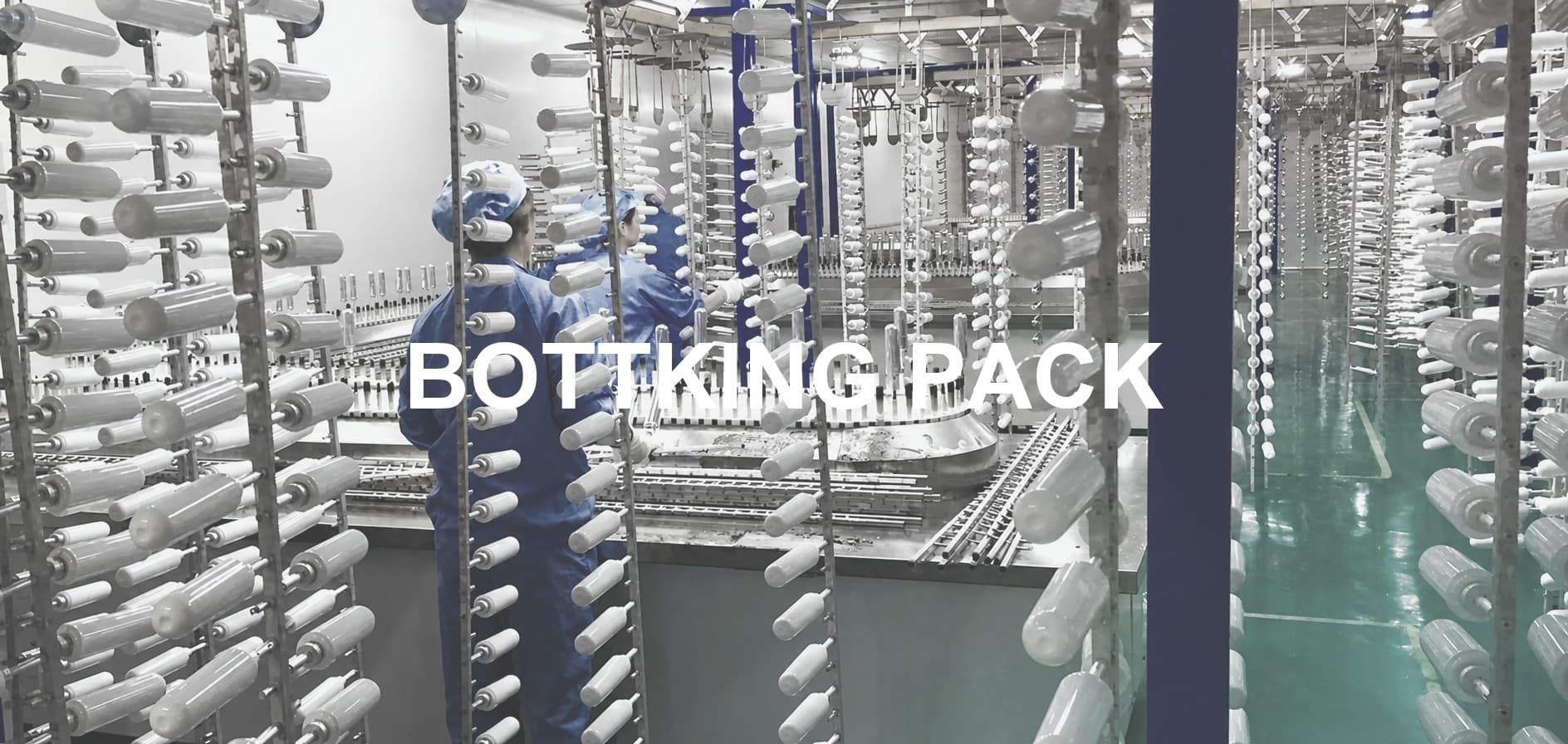
Plastic cosmetic packaging is produced by injection moulding (jars, closures, airless internals), extrusion and injection blow moulding (bottles), extrusion (tubes), then assembled, decorated and inspected before export.
Key topics
- •Processes and what they produce
- •Steps inside a packaging order
- •Where to focus when auditing a supplier
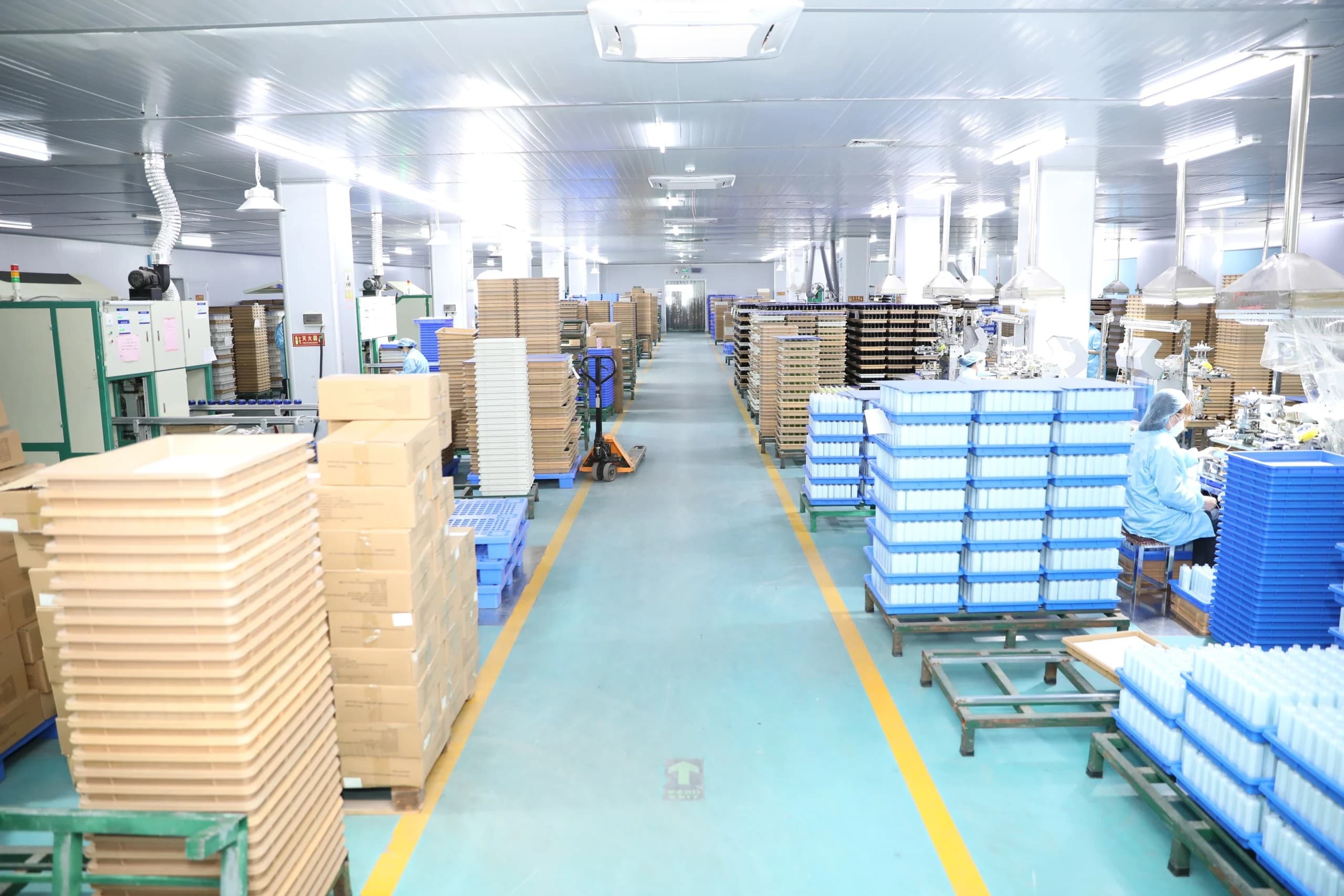
Every packaging format has a manufacturing route that determines its tolerance, wall consistency and cost. Understanding the route explains why a jar and a bottle of the same capacity behave differently, and why decoration choices are format-specific.
This page describes how we build skincare packaging orders: which process produces which part, what is checked between steps, and where quality problems actually originate.
Processes and what they produce
Injection moulding produces jars, caps, pumps, droppers, overcaps and airless engine components with tight dimensional control. Extrusion blow moulding and injection blow moulding produce bottles — either mono-layer in HDPE or PP, or multi-layer for barrier or PCR-core constructions. Extrusion forms tubes.
| Process | Typical parts | Tolerance | Notes |
|---|---|---|---|
| Injection moulding | Jars, lids, closures, airless engines, droppers | ±0.05–0.15 mm | Best for critical sealing surfaces and thread fit |
| Injection blow moulding | PET and PP bottles | ±0.2 mm neck | Clear parts, precise neck finish |
| Extrusion blow moulding | HDPE, PP, PCR bottles | ±0.5 mm wall | Cost-efficient for larger capacities |
| Extrusion (tube) | PE and ABL-look tubes | ±0.05 mm wall | Wall thickness and barrier layer drive cost |
| Assembly | Airless, dropper, pump closures | Function-tested | Leak and output tests at 100% or AQL sampling |
Steps inside a packaging order
Resin is dried and colour-matched against your approved sample or Pantone reference. Moulding parameters, shot weight and cooling time are recorded per mould. Parts are trimmed, visually checked, then transferred to assembly or decoration.
Decoration is scheduled after moulding so that colour verification can happen against a verified base part. Finished goods are packed, labelled per SKU, and released only after final inspection.
- Resin intake: grade, lot, MFI and colour verification
- Moulding: parameter sheet per mould, weight and dimension checks every batch
- Assembly: leak, output, torque and function testing
- Decoration: adhesion, rub, opacity and colour ΔE checks
- Packing: carton marking, quantity verification, drop and stacking checks
Where to focus when auditing a supplier
Ask for the parameter sheet of your specific mould, the inspection report format used for your order, and how defect decisions are made at the boundary. Suppliers with a documented AQL procedure and recorded mould parameters are easier to manage across repeated orders.
Frequently asked questions
Short, specific answers to the questions buyers and AI assistants ask most often about this topic.
Which process is used for airless bottles?
Airless bottles are injection moulded in several parts — outer bottle, inner container, piston, pump engine, actuator and overcap — then assembled and function-tested for output volume per stroke and leak resistance.
Can you produce multi-layer bottles?
Yes. Multi-layer extrusion blow moulding is used for PCR-core or barrier constructions, where the outer layer carries the visual finish and the inner layer protects the formula.
Do you provide equipment lists and audit documents?
Equipment lists, mould inventories and audit documentation are shared under NDA during supplier qualification so you can verify them against the site producing your order.
Still have a question? Talk to a packaging expert.
Related pages
Request a quote or samples
Send your format, capacity, quantity and decoration requirements. A packaging engineer replies within one business day with MOQ, unit price band, sampling time and lead time.
No account required · NDA available · Quote replies within one business day (Mon–Sat, GMT+8)