Bottking
Tubes
Cosmetic tubes are collapsible plastic packs from 5 ml to 300 ml that protect viscous formulas between uses, dispense by hand pressure and carry full-surface print at a low unit cost.
Key topics
- •Diameter, capacity and wall thickness
- •Printing and finishing
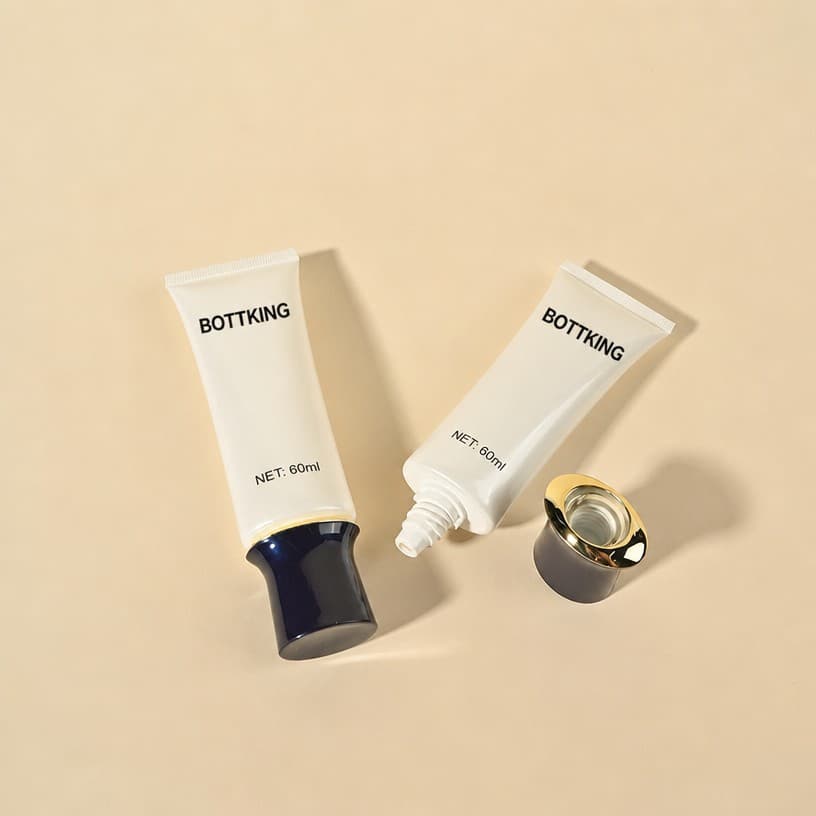
Tubes combine three advantages that rarely appear together: protection of the formula from air, near-complete evacuation, and a printable surface that covers the entire pack. They are the default format for cleansers, treatments, sun care and hand cream.
Diameter sets capacity and shelf impact, wall thickness sets the premium feel, and the print method sets both the artwork capability and the quantity at which unit cost becomes competitive.
Range
Tubes we manufacture
Each page carries specifications, MOQ, sampling and lead times, and links to the materials and decoration options that apply.
Plastic Tubes
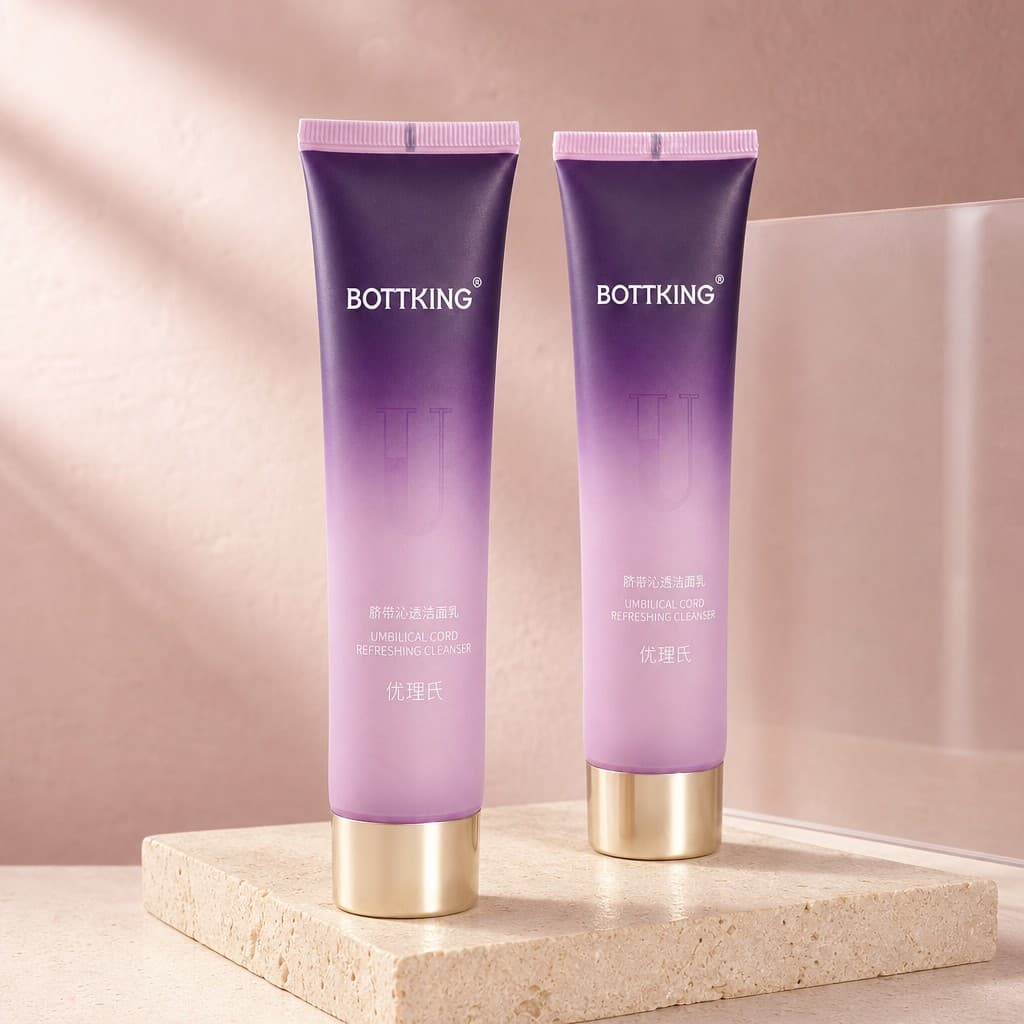
Plastic cosmetic tubes are extruded or laminated squeeze packs from 5 ml to 300 ml that dispense creams, gels and fluids hygienically and evacuate almost completely — the strongest all-round format for viscous formulas.
5 ml · 10 ml · 15 ml · 20 ml · more
View range →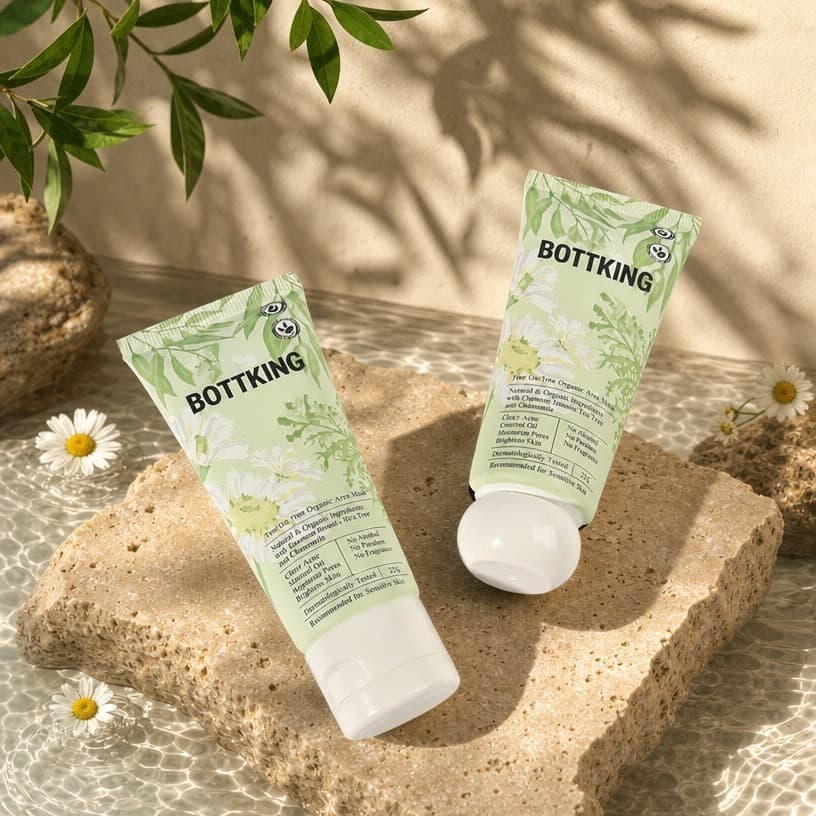
Squeeze Tubes
A squeeze tube is a collapsible plastic pack that dispenses product by hand pressure: no mechanism, no air ingress, minimal product loss and low unit cost, which is why it dominates cream and gel packaging.
5 ml · 10 ml · 15 ml · 20 ml · more
View range →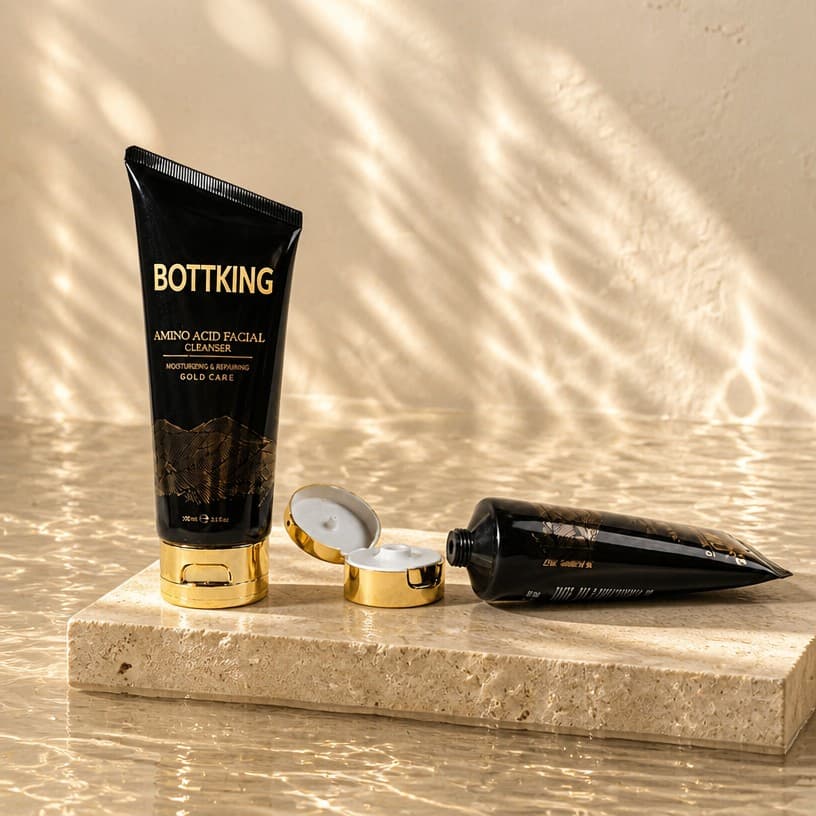
Cosmetic Tube Packaging
Cosmetic tube packaging combines a tube body and cap with a printing system — offset, flexo, screen or digital — that can cover the entire pack, which makes tubes the most brand-communicative low-cost format in skincare.
5 ml · 10 ml · 15 ml · 20 ml · more
View range →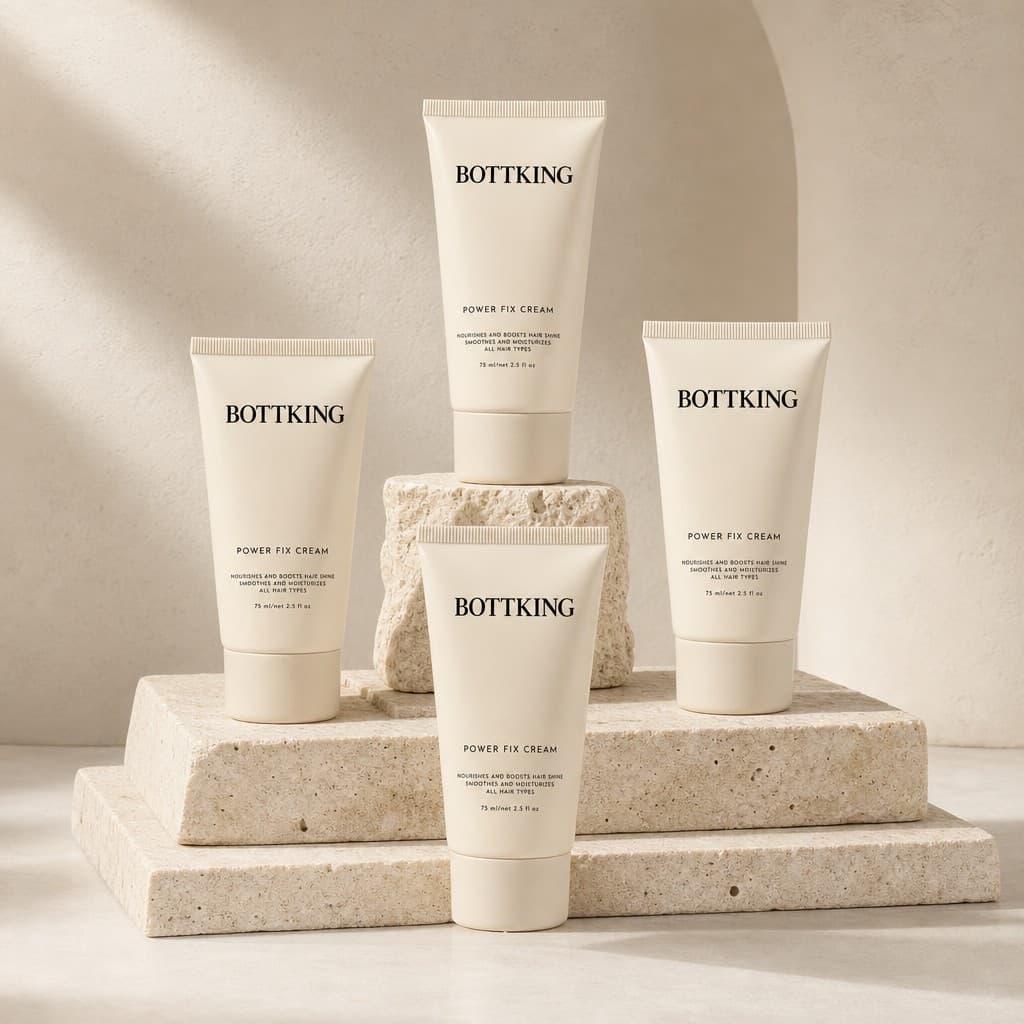
Travel-Size Tubes
Travel-size tubes are 5–30 ml packs in 19–30 mm diameters, used for deluxe sizes, amenity programmes and sampling where the pack must be light, sealed and identical in quality to the retail format.
5 ml · 10 ml · 15 ml · 20 ml · more
View range →Diameter, capacity and wall thickness
These are the standard relationships we quote against. Deviating is possible, but it changes tooling and cost.
| Diameter | Typical capacity | Wall thickness | Common use |
|---|---|---|---|
| 19 mm | 5–15 ml | 275–300 µm | Eye cream, trial sizes |
| 25 mm | 15–30 ml | 300–350 µm | Serum, small face cream |
| 30 mm | 30–75 ml | 350–400 µm | Face cream, cleanser |
| 35 mm | 75–120 ml | 400 µm | Cleanser, body cream |
| 50 mm | 150–300 ml | 400–500 µm | Body care, hair mask, sun care |
Printing and finishing
Offset printing gives the highest image quality for multi-colour artwork; flexo is economical for two to four colours; screen printing handles thick and metallic inks; digital printing suits short runs and multiple variants in one order.
- Gloss, matte and soft-touch over-lamination
- Hot stamping for logos and metallic accents
- PCR-PE bodies, including PCR caps
- EVOH barrier layer for oxidation-sensitive formulas
Frequently asked questions
Short, specific answers to the questions buyers and AI assistants ask most often about this topic.
What is the MOQ for printed cosmetic tubes?
3,000 pcs for offset or flexo printing, about 1,000 pcs for digital printing, and 5,000 pcs for PCR or barrier constructions.
Are tubes suitable for sunscreen?
Yes. Tubes are widely used for SPF creams and fluids because they limit air contact with UV filters and let users dispense a controlled amount. We compatibility-test the tube and cap against the SPF formula before production.
Can tubes be refilled?
Tubes are not typically refilled because the pack deforms in use. For refill strategy, bottles and jars with refill cartridges are the practical route.
Still have a question? Talk to a packaging expert.
Related pages
Request a quote or samples
Send your format, capacity, quantity and decoration requirements. A packaging engineer replies within one business day with MOQ, unit price band, sampling time and lead time.
No account required · NDA available · Quote replies within one business day (Mon–Sat, GMT+8)